
Stages of Change

‘Depending on what they are, our habits will either make us or break us. We become what we repeatedly do’
Maybe you find yourself currently feeling ‘broken’, either health-wise or emotionally.
This could be battling with ongoing illness or physical long-term pain, or it could be that you are feeling mentally exhausted.
Can you step back and think about any habits that are negative in your life that are holding you back or dragging you down?
It could be your drinking habit has now become a crutch to cope with stress, it could be work pressures are keeping you awake at night, or there may be a toxic relationship you know has destroyed your self-esteem but which you are unable to distance from.
‘You leave old habits behind by starting out with the thought, ‘I release the need for this in my life’.’
The decision to take control of your habits and prioritise your own wellbeing is not an easy one; but it can literally transform the entire trajectory of your life. (or transform your entire life-experience)
Perhaps you may be experiencing the people who care for you urging you to make changes to improve your life; however we can’t always see what others are observing when we are caught up in the middle of a situation.
It can take a period of time, called the ‘precontemplation phase’, before you realise the impact your choices are having on yourself and the relationships around you, and before you are ready to consider changing in any way.
Eventually, there may be a trigger; someone struggling with their weight may feel deeply saddened by the lack of comfortable clothes they have, or realise the resulting effects on their self-esteem, mood and relationships, or there may be a sudden health crisis, such as chest pain or a diabetes diagnosis.
When you finally start to consider the need to change, to lift yourself from your current situation to the vision of where your life could be, at this point the ‘contemplation phase’ begins; the hope arises and the intrinsic motivation starts to grow.
You can start to imagine how good it would feel to be fitter, less out of breath, able to play with your children freely and to feel happier in your own skin.
When you start to dream, the excitement begins to build and suddenly the motivation and focus develops.
Success depends on a careful ‘planning phase’; taking the time to consider the steps needed to get you from where you currently find yourself to where you want to be, can considerably increase your chances of achievement.
Finding support can be invaluable; find someone who understands your motivation, who will hold you accountable, who will provide encouragement and who wants to see you succeed.
Break down the big intimidating goals into a series of baby-steps; replace feelings of overwhelm with a succession of small achievements. Your confidence and self-esteem will start to soar!
Be realistic and predict hurdles in your journey; life happens!
By considering challenges that you might encounter, you can produce a plan to overcome them.
If the gym is unexpectedly closed, could you just take a power walk instead?
Don’t get de-railed; be persistent and always have a Plan B.
As you leap into the ‘action phase’ of change and start practising your new way of being, you start to relish the empowerment of taking back control of your health and wellbeing!
You will begin to feel the benefits, you will start to prioritise making the time in your schedule for your own personal goals without guilt, and those around you will start to reap the rewards of a happier version of you.
The real success story is not just achieving the desired end-goal; but actually making the new positive habits part of your long-term lifestyle and part of who you have become.
Maintaining the changes moving forward has to be a conscious decision; the ‘maintenance phase’.
Familiar negative patterns can drift back in as the challenges of life emerge; as the dark nights creep in, the sofa at home can be more tempting after a busy work day than the gym. The career deadlines or difficult children to parent can drive you back to comfort eating or alcohol.
The key is to always continue to dream, to have a purpose and goals, and to keep your health and your emotional wellbeing a priority; that way you can help and inspire those you care about the most.
Surround yourself with positive people who want to see you be the best version of you; living the life you deserve to be living!
Related Articles


Small steps to help you reach your big goals!
Who doesn’t want the year ahead to be filled with happiness and good health? Doesn’t everyone want to feel...

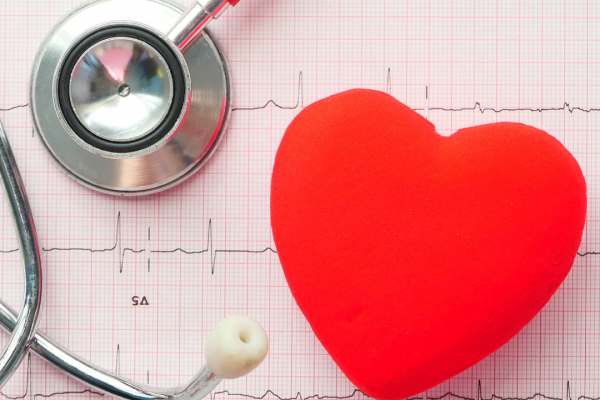
How to prioritise your heart health
How to prioritise your heart health: Eat an anti-inflammatory, nutrient-dense diet. Avoid processed and highly-refined foods, sugar and trans...